HOW IS TUBERCULOSIS INFECTION?
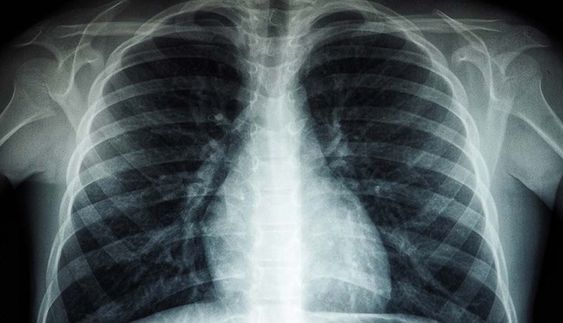
Tuberculosis is an infectious disease caused by the microbe Mycobacterium tuberculosis. One third of the world's population has been exposed to the tuberculosis germ.
According to the World Health Organization, about 8.4 million people are infected and 2 million people die from the disease every year. Tuberculosis is a serious public health problem.
Tuberculosis can cause disease in all organs, most commonly in the lungs. It damages organs. If left untreated or poorly treated, it can be fatal. Patients recover if early and appropriate treatment is started and if it is treated for a sufficient period of time.
How is tuberculosis transmitted?
Tuberculosis is transmitted through breathing. Respiratory secretions are released into the air in the form of droplets when sick people cough, sneeze and talk. Healthy individuals become infected by inhaling these droplets, which contain the tuberculosis bacillus (microbe). Not every infected person necessarily develops the disease.
It is very unlikely that someone who coughs on the street, in a minibus or in a restaurant will be infected with tuberculosis. For transmission, it is usually necessary to live with a person with tuberculosis for a long time. Family members and close coworkers of the patient are most commonly infected. With treatment, transmission ends rapidly.
The bacilli remain in the body without making the person sick and cause disease at a time when the body's resistance is low. The risk of developing the disease is highest in the first two years. The lifetime risk of developing the disease is 10%, with 5% in the first two years and 5% thereafter. Characteristics of children The risk of developing the disease after acquiring the tuberculosis germ is much higher in children under 5 years of age than in adults.
Who is most at risk of infection?
Rapid diagnosis and treatment of infectious cases is important in preventing TB transmission. Most transmission occurs before diagnosis. In particular, unsuspected and undiagnosed infectious TB cases continue to be infectious outside and in the hospital.
The most risky people in terms of transmission are family members and close coworkers who are in the same environment with the patient for a long time. There is no transmission through eating utensils such as spoons, forks and glasses, clothes and bed linen.
What are the risk factors for developing tuberculosis?
People with low body resistance have a high risk of developing the disease. These include
Children and babies under the age of five
Elderly
People with additional diseases that reduce body resistance (diabetes, chronic kidney disease, cancer, AIDS)
Organ transplant patients
Those with drug and alcohol addiction
Patients on immunosuppressive treatments (such as cortisone).
When is the tuberculosis vaccine (BCG) given? Does it protect against tuberculosis?
Tuberculosis vaccine is a vaccine administered to children.
It is administered once in the 2nd month after birth.
Repetition is not necessary.
The BCG vaccine prevents tuberculosis in children, especially the serious forms of tuberculosis that spread through the blood (miliary) and involve the meninges (meningitis). It is not protective against the disease in adults.
Provides up to 86% protection against meningitis and miliary TB, which are serious forms of tuberculosis
It is 50% protective against pulmonary tuberculosis.
In which cases should BCG vaccine not be given?
People with febrile illness,
During a measles outbreak (those not vaccinated against measles),
Immunocompromised patients,
People with tuberculosis,
People with skin diseases (eczema etc.),
Those receiving treatment with cortisone group drugs,
Those with a positive tuberculin skin test.
BCG can be given at the same time as other vaccines. It can be administered at the same time with live virus vaccines in different arms; if not administered together, it is appropriate to administer them at four-week intervals.
What are the symptoms of tuberculosis?
Symptoms of tuberculosis can be categorized into two groups: general complaints and lung-specific complaints. General complaints include fever, especially in the evening, night sweats, weight loss, loss of appetite and weakness. Lung-specific complaints include cough lasting more than two weeks, expectoration of phlegm, coughing up varying amounts of blood, chest pain and shortness of breath. The symptoms usually start mildly and progress slowly. Patients may attribute these complaints to other causes and see a doctor late. This leads to further spread of the disease and further destruction of the affected organ. In the meantime, the patient spreads germs around and causes more people to become infected. For this reason, it is very important that people with cough and other complaints lasting longer than two weeks contact a health center as soon as possible.
How is tuberculosis diagnosed and treated in childhood?
Tuberculosis should be considered in children with complaints such as cough, fever, night sweats, weakness, loss of appetite and weight loss lasting longer than 2-3 weeks. However, sometimes these complaints may not be as prominent as in adults. In a child with complaints suggestive of tuberculosis, tuberculosis is strongly considered if chest X-ray findings and tuberculin skin test are also positive. It is also important that the child has had contact with an adult with tuberculosis. A family screening must be performed in a child who is considered to have tuberculosis. If the child can give sputum, a sputum sample or gastric juice examination can be performed to examine swallowed sputum. Treatment of tuberculosis in children is similar to that in adults.
Should a patient with tuberculosis be hospitalized?
Not all patients need to be hospitalized. However, patients with poor general condition, widespread disease, excessive blood spitting, additional medical problems, side effects of medication and non-compliance with treatment should be hospitalized.
What is the tuberculosis skin test (PPD), who is it performed on, how is it interpreted?
The tuberculosis skin test is a test performed by applying a protein with antigenic properties obtained from the cell wall of the tubercle bacillus to the skin of the arm with a small needle and evaluating the swelling that occurs 2-3 days later. The formation of a wheal indicates the presence of tubercle bacilli and the presence of infection. The absence of a wheal means that tubercle bacilli have not been encountered.
How long is a patient diagnosed with tuberculosis infectious?
Infectiousness disappears rapidly after the start of drug treatment. If the medication is effective, infectiousness is largely eliminated 2-3 weeks after treatment.
What should people in the immediate vicinity of a tuberculosis patient do?
People who are in contact with a tuberculosis patient, especially children under the age of 15, should be checked by a pediatric pulmonologist or a tuberculosis dispensary.
After the check-up, those who are deemed necessary should receive preventive treatment for 6 months.
Are there side effects of tuberculosis treatment? What should be done in case of side effects?
Side effects may occur during treatment. The most common side effects are skin rash, itching, loss of appetite, nausea, vomiting, abdominal pain and visual impairment. If these occur, you should stop the medication immediately and contact your doctor. Rifampicin, one of the main medicines in the treatment, can stain urine, tears and urine stains orange. This is nothing to worry about.
Is tuberculosis curable?
Tuberculosis is definitely a curable disease. Almost all patients who take their medication as recommended and for a sufficient amount of time are successfully cured.
Who is not cured of tuberculosis?
Patients who do not take their medication regularly. Drug-resistant tuberculosis patients cannot be cured with known basic medicines.
What should a tuberculosis patient do?
Tuberculosis medicines should be taken regularly every day.
Do not use other medicines while taking TB medicines without consulting a doctor.
In case of side effects due to medication, consult a doctor as soon as possible.
Regular check-ups should be done during treatment.
Female patients should inform their doctor about pregnancy, breastfeeding and contraceptive methods.
What is the importance of nutrition in the success of tuberculosis treatment?
Regular and adequate nutrition required for healthy people also applies to tuberculosis patients. Drug therapy is the key to successful treatment.
Can patients work or attend school while being treated for tuberculosis?
Patients in good physical condition can work or attend school when their sputum is shown to be free of tubercle bacilli, provided that they take their medication regularly.

